Understanding Digital Distraction: Our Reading List

Understanding Digital Distraction: Our Reading List

Our modern world has made digital devices ubiquitous in leisure, education, business, and society at large. It can be very hard to fully understand the role of devices in our daily lives, and digital distraction only makes things harder. Addictive designs, constant interruptions, and an increasing number of features online which are designed to hijack our attention, often serving the business models of the global tech giants.

It's a confusing landscape out there, and everyone has a different opinion on how digital distraction should be tackled and even talked about — schools, policymakers, and parents included. At Centre for Digital Habits, we have spent a decade researching digital distraction and how practical strategies can be used to help people use their devices in a happier, more intentional way.

This reading list brings together some of the resources that have informed and inspired our work. It is not intended to be comprehensive — we have selected a small number of resources that we believe offer particularly valuable insights into digital distraction, what it means, and what can be done about it.

Psychology & research

3 items

What the evidence actually says about attention, self-control and wellbeing.

  • Paper2019

    Self-Control in Cyberspace: Applying Dual Systems Theory to a Review of Digital Self-Control Tools

    Lyngs et al. — CHI 2019

    Many people struggle to control their device use, but what do the tools meant to help actually do? Our review of 367 apps and browser extensions mapped their design features onto a dual systems model of self-control, and showed where current tools overlap, diverge, and leave promising mechanisms unexplored.

    Read the paper
  • Paper2020

    "I Just Want to Hack Myself to Not Get Distracted": Evaluating Design Interventions for Self-Control on Facebook

    Lyngs et al. — CHI 2020

    A six-week study testing whether goal reminders or removing Facebook’s newsfeed help people stay on task. A clear look at what works (and what trade-offs come with it).

    Read the paper
  • Paper2025

    Fixing the science of digital technology harms

    Orben & Matias — Science

    Argues that research on digital tech harms is stuck in a failing cycle: technology reaches billions before science can assess the impact. A sharp guide to why headlines about phones and wellbeing so often outrun the evidence — and how the research system needs to change.

    Read the paper

History & society

3 items

How attention became an industry, how products are designed to form habits, and how online platforms decay when growth becomes extraction.

  • Book2016

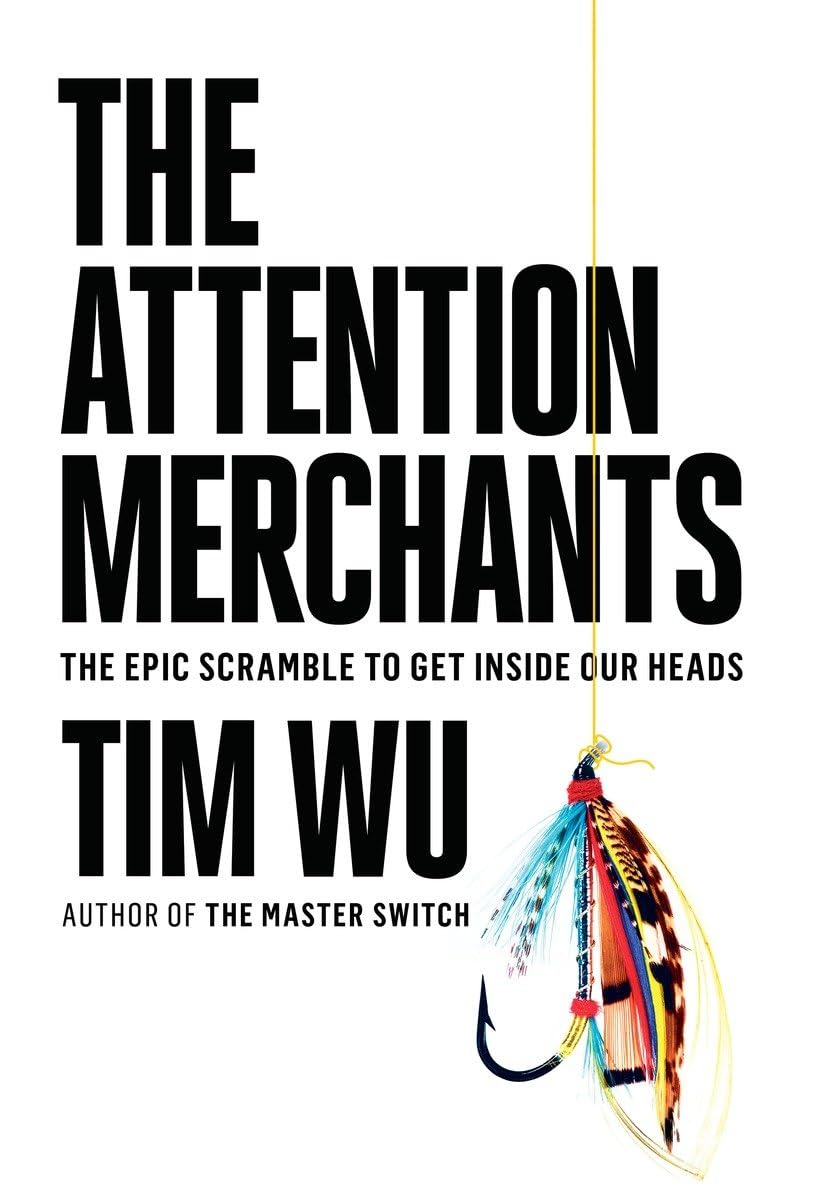
    The Attention Merchants: The Epic Struggle to Get Inside Our Heads

    Tim Wu

    A century-long history of the industries that harvest human attention for resale to advertisers — from early advertising and radio through TV to today’s social platforms. Essential context for why distraction feels industrial, not accidental.

  • Book2014

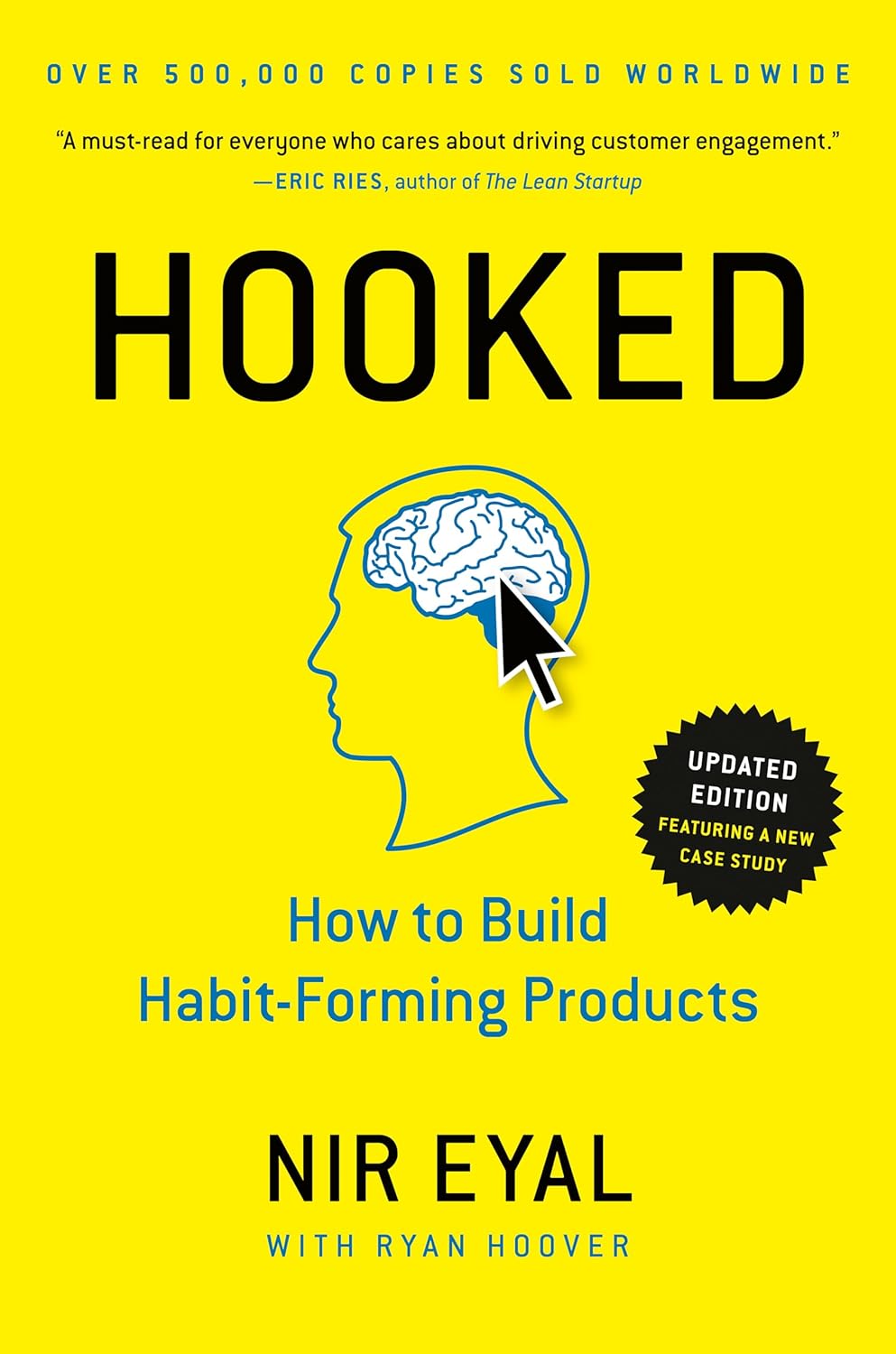
    Hooked: How to Build Habit-Forming Products

    Nir Eyal

    Eyal’s 'Hook Model' explains how technologies build habits that bring people back without heavy advertising. Essential reading for understanding why so many apps feel hard to put down.

  • Book2025

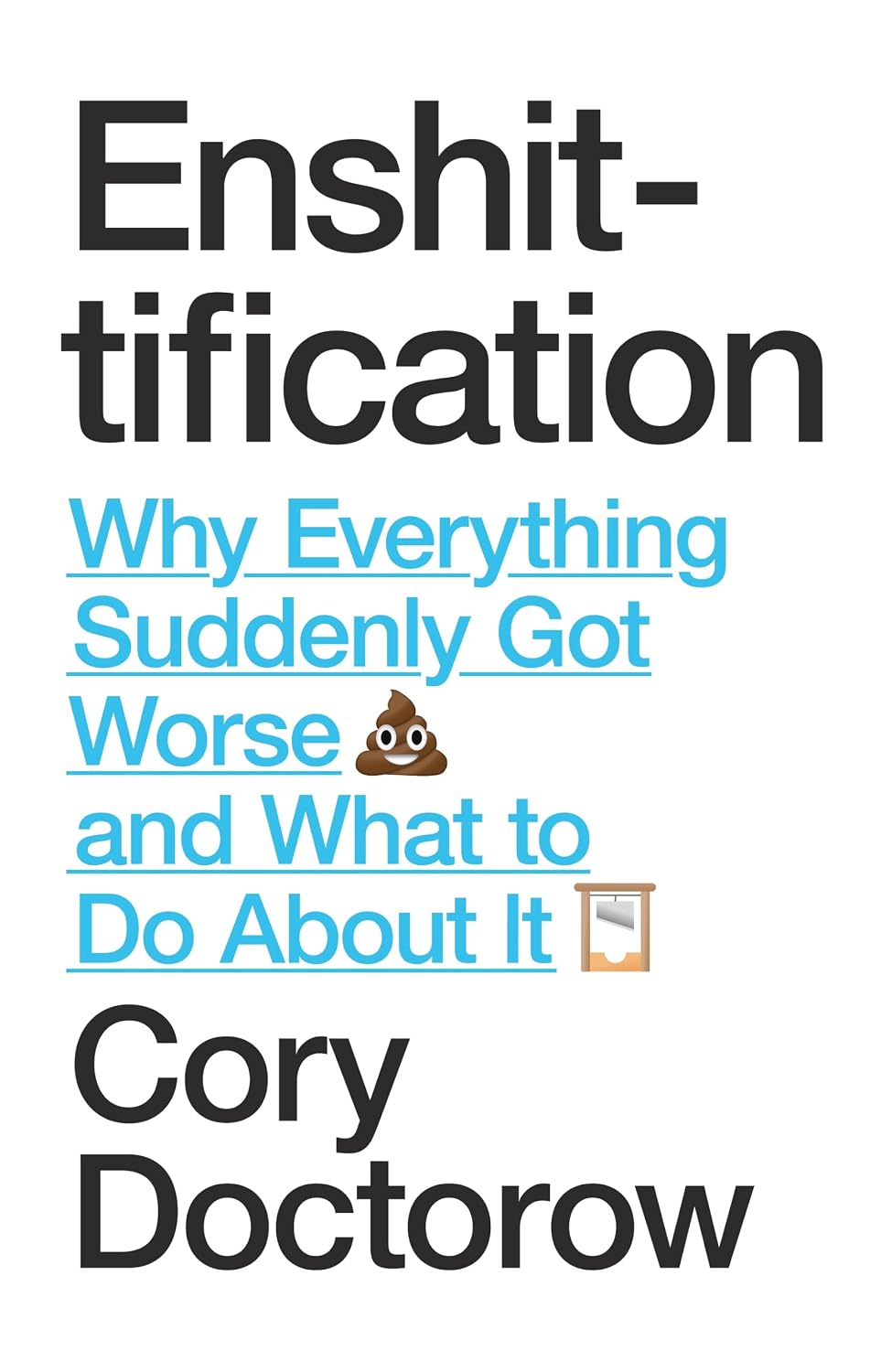
    Enshittification: Why Everything Suddenly Got Worse and What To Do About It

    Cory Doctorow

    Doctorow’s account of how platforms lure users, court businesses, then squeeze both for profit — degrading the experience over time. A sharp diagnosis of why so much of life online feels worse, and what regulation and interoperability could do about it.

What can I do?

3 items

Practical frameworks and evidence-based approaches to reclaim attention, individually and institutionally.

  • Book2019

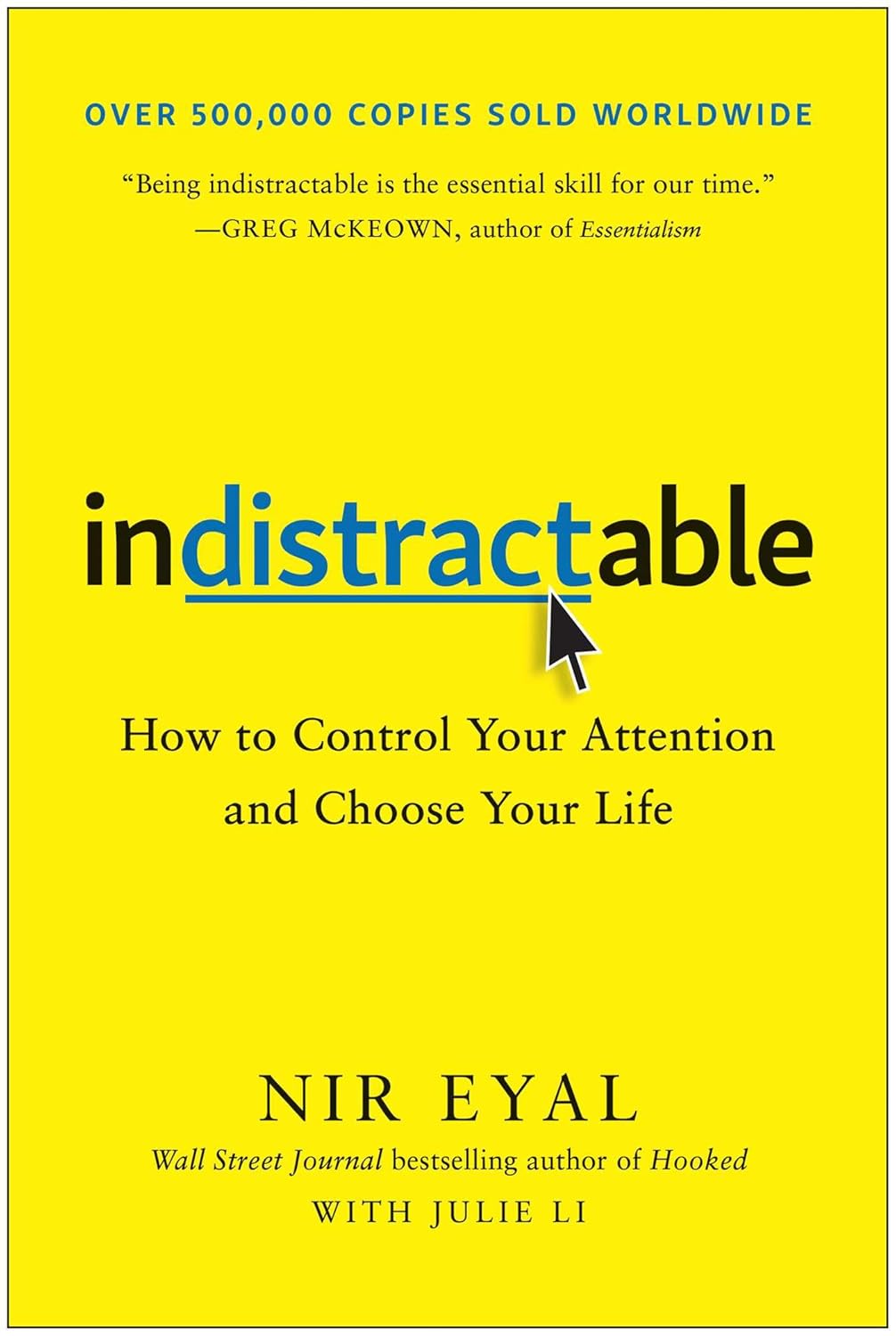
    Indistractable: How to Control Your Attention and Choose Your Life

    Nir Eyal

    Eyal’s practical follow-up to Hooked: a four-part model for becoming indistractable by tackling internal triggers, making time for traction, hacking back external triggers, and preventing distraction with pacts. Concrete techniques for work, home, and relationships.

  • Book2018

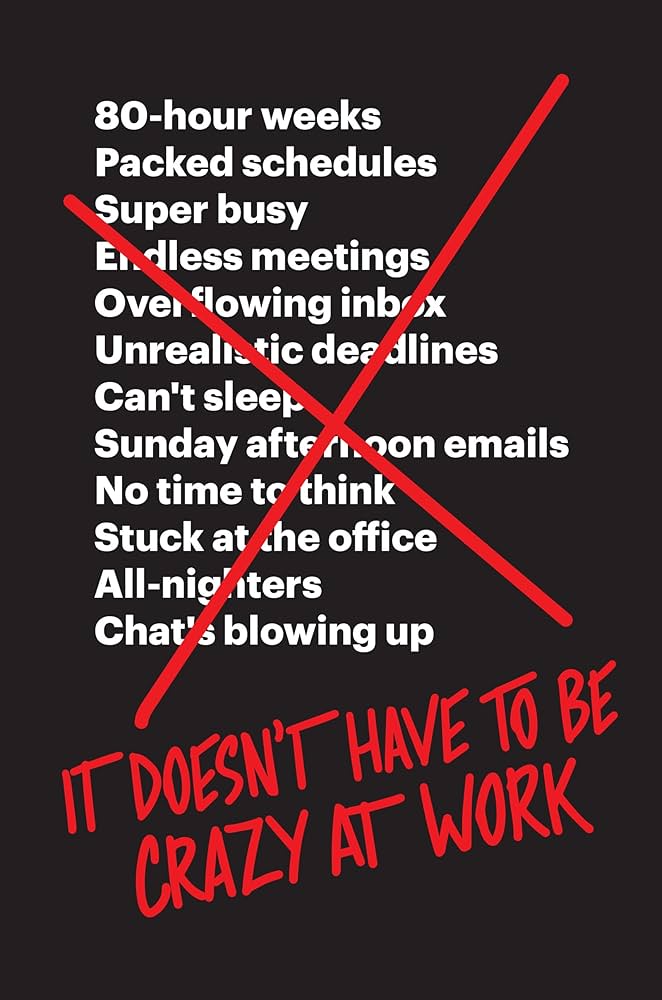
    It Doesn’t Have to Be Crazy at Work

    Jason Fried & David Heinemeier Hansson

    A manifesto for the “calm company” from the founders of Basecamp. Argues that distraction, always-on culture, and burnout are design choices — and shows how fewer meetings, less urgency theatre, and protecting focus can make work sustainable.

  • Paper2024

    "I finally felt I had the tools to control these urges": Empowering Students to Achieve Their Device Use Goals With the Reduce Digital Distraction Workshop

    Lyngs et al. — CHI 2024

    Our paper on the 'Reduce Digital Distraction Workshop': how a structured format, peer support, and reflection on one's challenges helped students achieve their digital device goals. The foundations of our Design for Life workshop.

    Read the paper